You know the kid.
The one who's somehow sweaty before you've even finished the second bedtime story.
The one who insists they need a blanket, a stuffed sea turtle, and approximately fourteen pillows to fall asleep… then spends the rest of the night launching every single one of them onto the floor.
If you've got a warm sleeper, you've probably done the same thing we have. Tiptoed into a dark room at some ridiculous hour. Rested a hand on the back of a little neck. Wondered why their hair feels slightly damp even though the air conditioner has been humming along all night.
It's easy to blame the room. Or the weather. Or that extra blanket Grandma bought.
Sometimes those things matter. But honestly? A lot of the time, it comes down to what they're wearing.
The pajamas.
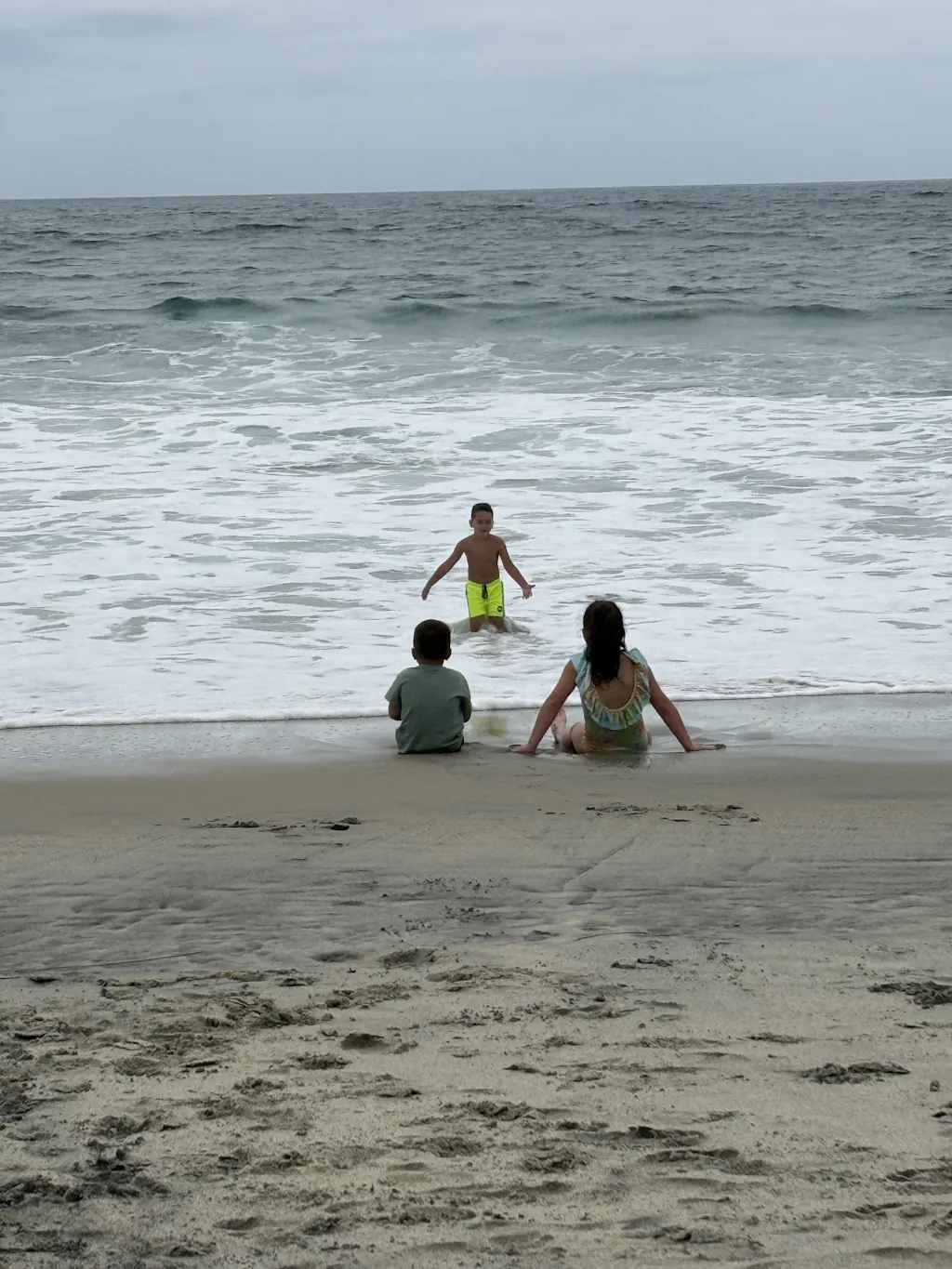
Some kids just seem to run hot from the moment they're born. They can spend all afternoon splashing in the ocean, come home exhausted, curl up in bed, and somehow still wake up looking like they just finished a workout.
And when they're uncomfortable, nobody wins. Not them. Not you. Not the parent stumbling toward the coffee maker the next morning.
The good news is that helping a hot sleeper stay comfortable doesn't usually require anything complicated. Most of the time, the biggest difference comes from choosing the right fabric.

Which Pajama Fabric Sleeps Coolest
If you want the short version before we get into the why, here's how the usual fabrics stack up for a warm sleeper:
|
Fabric |
Breathability |
Moisture-wicking |
Best room temp |
|
Bamboo viscose |
Excellent |
Wicks sweat away |
Warm rooms, year-round |
|
Lightweight cotton |
Good |
Soaks more than it wicks |
Mild nights |
|
Modal |
Very good |
Smooth, light wicking |
Warm to mild nights |
|
Fleece |
Low |
Traps heat and damp |
Cold rooms only |
For a hot sleeper, bamboo is the easy pick. If you want the full breakdown of every fabric, we get into all of it in our guide on how to choose the best fabric for kids' sleepwear.
Why Some Kids Overheat at Night
Kids' bodies are still figuring things out.
One minute they're cold. The next minute they're kicking blankets across the room like they've been personally offended.
Part of that is normal temperature regulation. Part of it is what they're sleeping in. And sometimes it's just their personality. Every family seems to have that one child who's comfortable wearing shorts in December while everyone else is reaching for a hoodie.
A few things tend to make nighttime overheating worse. Synthetic fabrics can trap warmth. Heavy bedding can hold heat close to the body. Tight pajamas leave less room for air to circulate. Layer all those things together and you've accidentally built a pretty cozy little heat chamber.
Not exactly what a warm sleeper needs.
We learned this the hard way after several mornings of peeling pajamas off a sleepy child who looked perfectly comfortable when they went to bed but woke up sticky and frustrated. Nothing dramatic. Just enough discomfort to make bedtime harder than it needed to be.
Sometimes the simplest solution really is the right one. Change the fabric. See what happens.

What to Look For in Cooling Pajamas
When you're shopping for sleepwear, think less about cute patterns for a second and more about comfort.
The pattern matters too, obviously. We're parents. But comfort wins.
Look for fabrics that breathe. Fabrics that allow air to move instead of trapping it. Bamboo viscose is a favorite for a reason, and lightweight cotton can also work well.
The goal isn't just preventing sweat. It's helping your child stay comfortable through all those little temperature shifts that happen overnight.
Moisture-wicking fabric helps. So do smooth seams. A slightly looser fit can make a difference too. Not baggy. Just comfortable.
Because here's the thing: kids rarely wake up and announce, “Mother, the seam construction of my sleepwear is bothering me.”
They just toss. Wiggle. Kick. Complain that they can't get comfortable. And suddenly everyone's awake.
Bamboo vs Cotton vs Polyester
If you're choosing between fabrics, here's the version we'd tell a friend over coffee after school pickup.
Bamboo viscose tends to check the most boxes for warm sleepers. It feels soft right away, breathes well, and helps pull moisture away from the skin. It also has that cool, silky feel that a lot of kids seem to love the second they put it on.
Cotton is a solid classic. Most of us grew up sleeping in it. It's breathable, comfortable, and easy to find. The downside is that once it gets damp, it tends to stay damp longer. On cooler nights, that may not matter much. During humid weather, it sometimes does.
Then there's polyester. It's durable. It resists fading. It survives countless trips through the wash.
But for kids who already sleep warm, it often hangs onto heat in a way that isn't especially helpful. That's usually when you get the sticky, clammy feeling nobody enjoys. Especially at 3 a.m.
The Signs It's Time to Switch
Sometimes your child will tell you they're too hot. Other times they'll tell you absolutely nothing and leave a trail of clues behind.
Sweaty hair in the morning. Damp sheets. Pajamas sticking to their legs. Blankets kicked off every single night.
Not occasionally. Every night.
Or maybe they're constantly asking to sleep in shorts, even when the room feels perfectly comfortable to everyone else.
That's usually your sign. Kids are pretty good at telling us what they need. Sometimes they just do it without words.

A Few Tweaks for a Cooler Room
Pajamas do most of the work, but there are a few other things that can help.
Lighter bedding is a big one. Instead of layering blanket after blanket, try sticking with a single breathable option.
Keep air moving if you can. A ceiling fan, a small fan in the corner, even a cracked window on a cool evening can make a room feel noticeably fresher.
Most kids tend to sleep best when the room stays around 68–72°F.
And here's one parents understand immediately. Hydration matters. Just maybe not the giant water bottle five minutes before lights out. A small drink before bed? Great. A full ocean's worth of water? That's how everybody ends up awake later.
The Tuck & Char Co. Difference
At Tuck & Char Co., we think some of the sweetest family memories happen at the edges of the day. After sandy beach afternoons. During bedtime stories. In those quiet moments when little heads settle onto pillows and the house finally starts to slow down.
That's why we build our kids' pajamas with comfort at the center of everything.
We choose bamboo because it breathes beautifully, stays incredibly soft, and feels good wash after wash after wash. Parents tell us their warm sleepers seem more comfortable through the night, and honestly, hearing that never gets old.
Two favorites families come back to again and again are the Ocean Dreamers two-piece and the Manta Ray Dreamers two-piece. They're made for bedtime cuddles, lazy Saturday mornings, and all those little moments that somehow become the memories you keep years later.
Final Thoughts
Finding the best pajamas for kids who overheat at night isn't really about chasing trends or buying the latest sleep gadget. Most of the time, it's much simpler than that.
The fabric matters. A lot.
When kids stay comfortable, they sleep better. When they sleep better, mornings feel easier. And somewhere between the bedtime story and the sunrise, everybody gets a little more rest. That's a win for the whole family.
If you're looking for soft bamboo sleepwear designed for real childhood, real bedtime routines, and real families, explore our kids' pajamas collection and find a pair made for your warm sleeper's next good night's sleep.
Frequently Asked Questions
What temperature is too hot for kids' pajamas?
Most kids sleep best when the room sits around 68–72°F. Once temperatures climb much higher, heavier fabrics can start trapping warmth and making sleep less comfortable. If cooling the room isn't an option, switching to lighter, breathable pajamas can often help.
Do bamboo pajamas really keep kids cool?
They do. Bamboo viscose allows airflow and helps move moisture away from the skin instead of letting it sit there. Many parents also notice that bamboo feels naturally cool when their child first puts it on, which can be especially helpful for warm sleepers.
How can I tell if my child is overheating in their sleep?
Check the back of their neck or chest rather than their hands and feet, which are often cooler. Damp hair, flushed cheeks, kicked-off blankets, sweaty sleepwear, and restless sleep are all common signs that a child may be too warm overnight.
Are short-sleeve or long-sleeve pajamas better for a hot sleeper?
Short-sleeve styles are often a good choice because they allow more airflow. Still, fabric matters more than sleeve length. A breathable bamboo set can often feel cooler than a short-sleeve set made from a synthetic material that traps heat.